What is it like to live in a KCP dorm?
Living in a dormitory is a popular option for students attending KCP International Japanese Language School, especially those who value independence, flexibility, and opportunities to meet other students.
KCP dormitories provide private rooms while still offering a community-oriented living environment. Compared with a homestay, dorm living generally gives students more control over their schedules and meals while providing opportunities to interact with other young people and students during their Japanese language study abroad experience in Tokyo.
What Is Included in a KCP Dorm Room?
KCP dormitories provide students with private rooms. A typical room includes: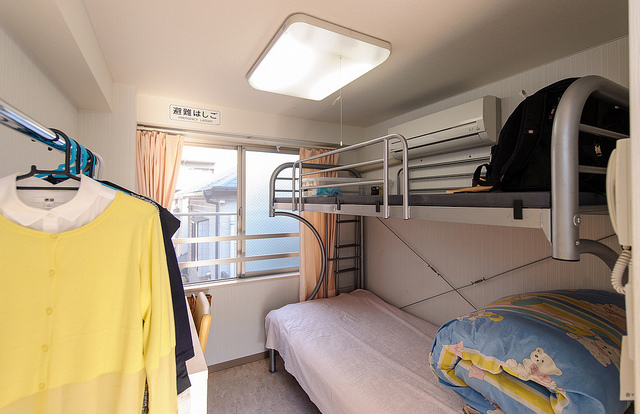
- Single bed
- Desk and chair
- Air conditioning and heating
- Internet access
- Basic bedding, such as sheets and a bed cover
Having a private room gives students their own space to study, relax, and maintain their daily routine while still enjoying the social aspects of dormitory life.
Amenities and room arrangements vary somewhat depending on the residence.
Is Internet Available?
Internet service is available in KCP dormitories and is generally unlimited and included without an additional usage charge.
The type of connection and specific services available may vary by dormitory.
What Should I Bring?
Although basic bedding is generally provided, students should bring or purchase their own personal and everyday items. These may include:
- Towels
- Toilet paper
- Soap and shampoo
- Toiletries
- Other personal household items
Many everyday necessities can easily be purchased after arriving in Japan, including at supermarkets, convenience stores, drugstores, and inexpensive household-goods stores like Daiso.
Because amenities differ among KCP dormitories, students should review the information for their assigned residence before arrival.
Are Meals Included?
Meals are not included in the KCP program or dormitory cost.
For many students, this is one of the advantages of dormitory living because it provides more freedom to decide what, where, and when to eat. Tokyo offers convenient access to:
- Restaurants and cafés
- Convenience stores
- Supermarkets
- Food courts
- Takeout and prepared meals
Some residences may also have specific utility arrangements. For example, the Ikebukuro dormitory has a monthly utility allowance. If students exceed this allowance, they are responsible for paying the difference directly to the dorm manager.
Students should review the policies for their assigned dormitory to understand any additional utility costs or other housing-related expenses.
Can I Cook in the Dorm?
Some KCP dormitories provide shared kitchens or other cooking facilities, but the equipment varies by residence.
Some dormitories use IH (induction) cooktops, which require IH-compatible cookware, while others may offer a combination of induction and conventional cooking facilities.
Cooking utensils, pots, pans, and similar supplies are generally not provided. KCP recommends purchasing these items after arriving in Japan rather than bringing them from home. Affordable cookware and household supplies are widely available, and departing students sometimes leave usable items behind for future residents.
What About Laundry?
Laundry facilities are available at KCP dormitories and are typically coin-operated.
The location and setup depend on the residence. Some dormitories have laundry facilities in a shared area, while residences without private bathrooms may have larger common bathing and laundry facilities shared by residents.
Students should budget a small amount for routine laundry expenses during their stay.
Are There Dorm Rules?
Each KCP dormitory has its own rules and policies, which students are expected to follow.
Depending on the residence, these may include:
- Curfews
- Visitor restrictions
- Quiet hours
- Rules for kitchens, bathrooms, and other shared spaces
- Safety and security procedures
Because policies vary by dormitory, students receive information about the rules for their assigned residence before arrival.
Is Dorm Life Good for Learning Japanese?
Dormitory living can provide valuable opportunities to use Japanese outside the classroom.
KCP dorms are a good option for students who want more interaction with other young people and students. Residents may come from different countries and language backgrounds, which can make Japanese a useful shared language for everyday communication.
Combined with KCP’s intensive Japanese immersion program, these daily interactions can give students additional opportunities to practice what they learn in class.
For students who want a balance of independence, social interaction, and language immersion, dormitory housing can be a convenient way to experience everyday life in Tokyo while studying Japanese at KCP.