


Culture Shock in Japan: What Feels Strange but Is Actually Normal
For many students, culture shock in Japan does not begin with one dramatic moment. It often starts in everyday life: a quiet train car, an orderly line, or a conversation that feels less direct than expected. Those moments can seem unusual at first, but they are often part of how daily life works in Japan.
Culture shock usually means you are adjusting
In Japanese public spaces, there is a strong tendency to prioritize “personal boundaries” and “unwritten rules.” As a result, many students will notice that these subtle expectations are what keep the city orderly.
For instance, staying quiet on public transportation is more than just “good manners”—it is more like a shared habit of respecting each other’s personal space. The same applies to how people behave in lines and shops.
While these “unique rules” might feel a bit restrictive at first, once you get used to them, you may even find that they make your daily life feel more comfortable and predictable.

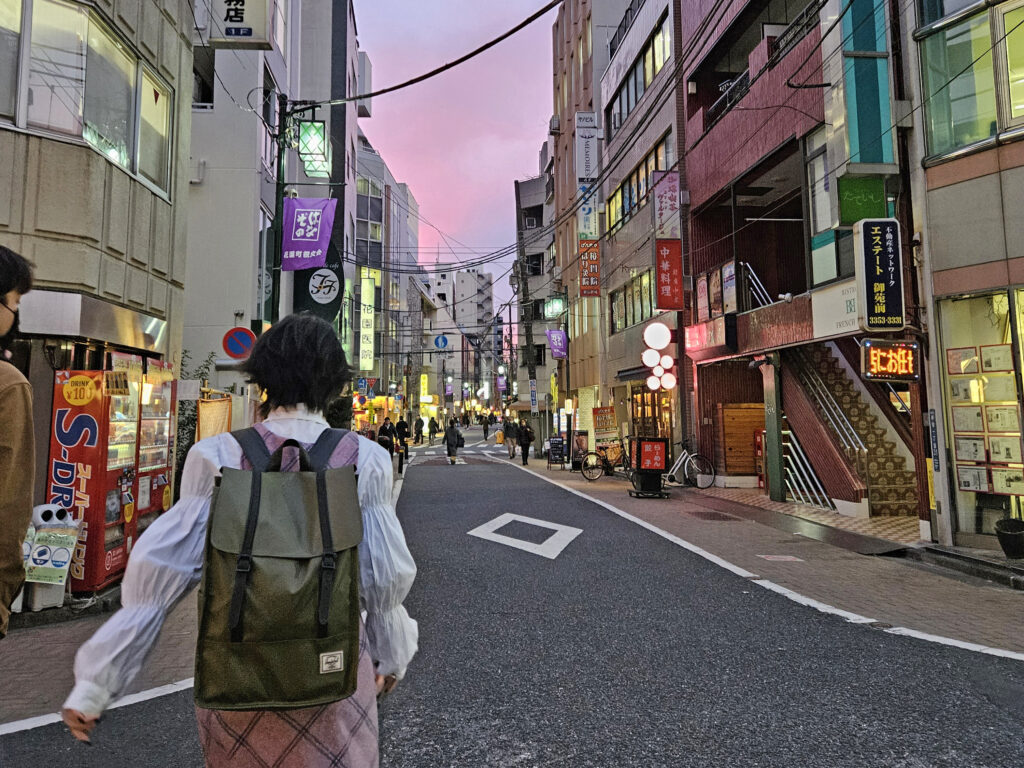
Culture shock in Japan often begins with small everyday moments, like commuting, waiting in line, and learning new social cues.
Daily communication and routines may feel different
Communication can also take time to understand. Compared with what many U.S. students are used to, Japanese communication may sound softer, less direct, or more dependent on context. Tone, timing, and situation may matter as much as the words themselves.
Other parts of daily life may require adjustment too. Trash rules can be more structured, public behavior may feel more formal, and punctuality often carries extra weight. These differences are not barriers so much as reminders to slow down, observe, and learn.
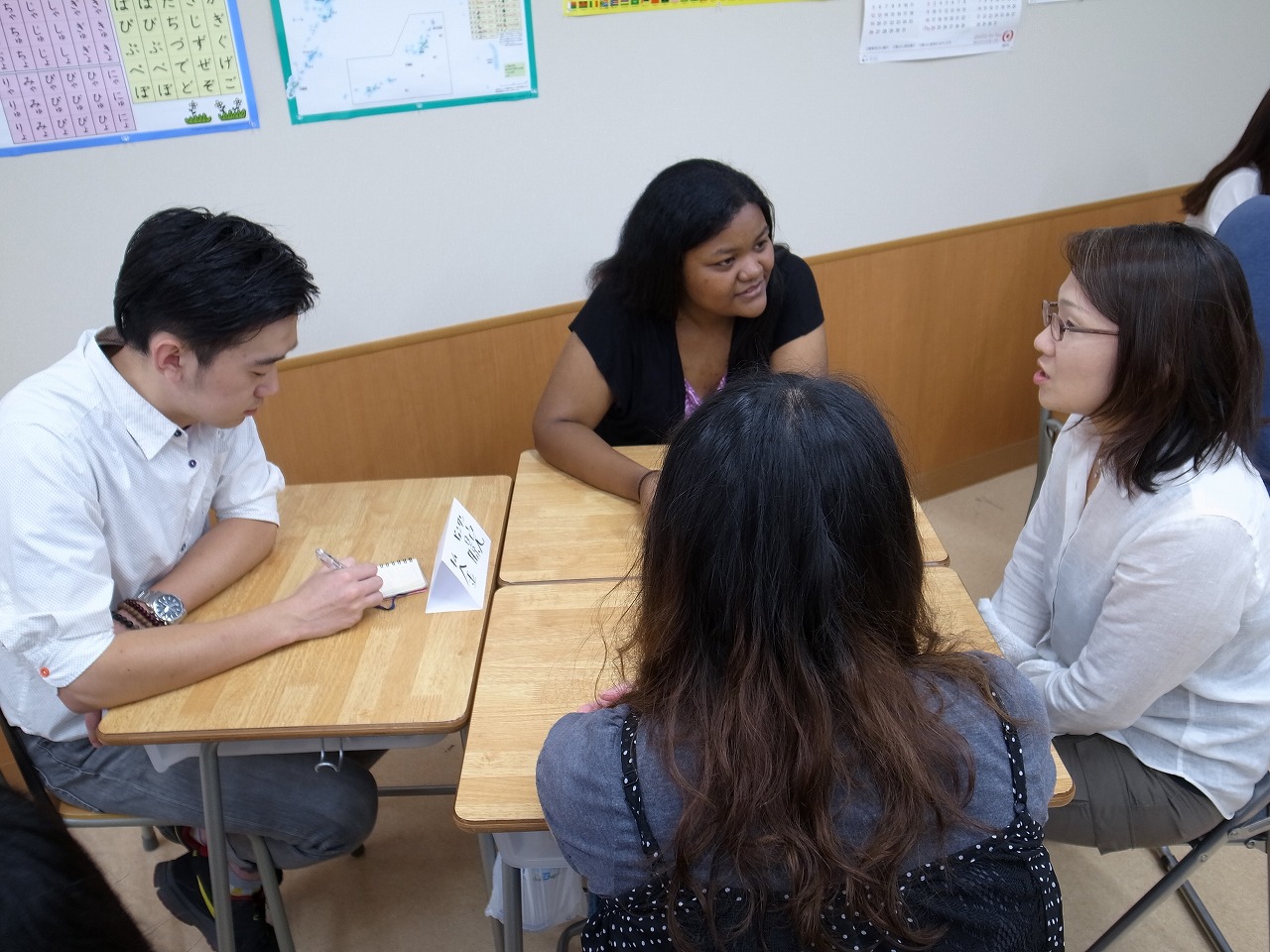
In Japan, communication often depends as much on tone and context as on the words themselves.
Adjustment is part of the study abroad experience
The best response to culture shock is not panic. It is observation. Watch what people do, stay curious, ask respectful questions, and give yourself time to adjust.
For students planning to study abroad in Japan, that adjustment is part of the value of the experience. KCP presents its Tokyo program as a full Japanese language immersion program, which can help students build not only language skills, but also the everyday awareness that makes life in Japan easier to understand. Students who want a better sense of daily adjustment can also explore student life at KCP and to learn more about KCP-arranged housing options.
What feels unfamiliar now may not stay unfamiliar for long. In fact, some of the things that first feel like culture shock often become the parts of Japan students end up appreciating most.